“Where do I even start?”
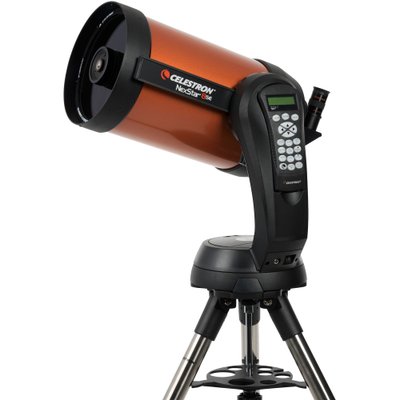
Celestron NexStar 8SE
203mm · f/10.0
Finds and tracks objects automatically.
92Polaris
Score
See it in the simulator →Score
Everything you need to research astronomy gear in one place — compare telescopes and eyepieces, explore real targets, understand the trade-offs, and see what your gear will actually show.
Not a catalog to scroll — proven scopes matched to what you’re chasing. Open any one in the simulator to see it before you commit.
Finds and tracks objects automatically.
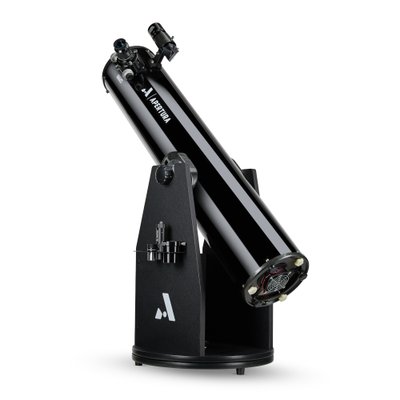
Premium accessories included — ready to observe out of the box
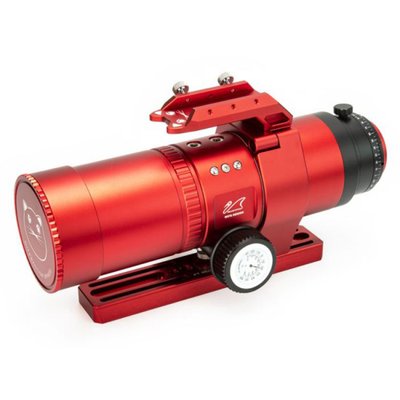
Ultra-sharp wide-field images, no setup needed.
Drop in any telescope and eyepiece, aim at a real target, and compare side by side. The answer to “will I actually see it?” — before you spend a cent.
Open the simulator →The eyepiece, the camera, the mount and the filter each change what reaches your eye — so each one gets a section that shows the change instead of listing the spec.
 50°82° field
50° feels like looking through a porthole. 82° feels like the eyepiece stopped existing.
 sensor frame
A camera has no field of its own. The scope in front of it decides whether the arms make the frame.
 star drift
Every mount quotes a generous payload. We publish the weight it still tracks cleanly at.
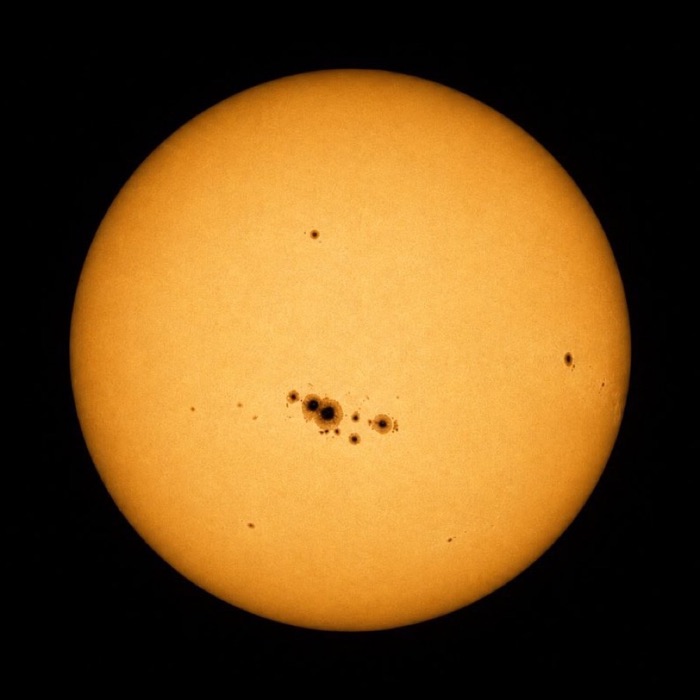
 filteredraw
Cut the Sun to a hundred-thousandth and a featureless disc turns into photosphere and sunspots.
Same Polaris Score, same method — 168 accessories rated on what they do at the eyepiece, not on the box copy.
Browse all gear →From beginner refractors to observatory-class instruments — browse by observing style, not just by brand.
Magnification claims on the box mean nothing without context. Pick a target and see what each scope actually puts in the eyepiece — framing, detail and reach.
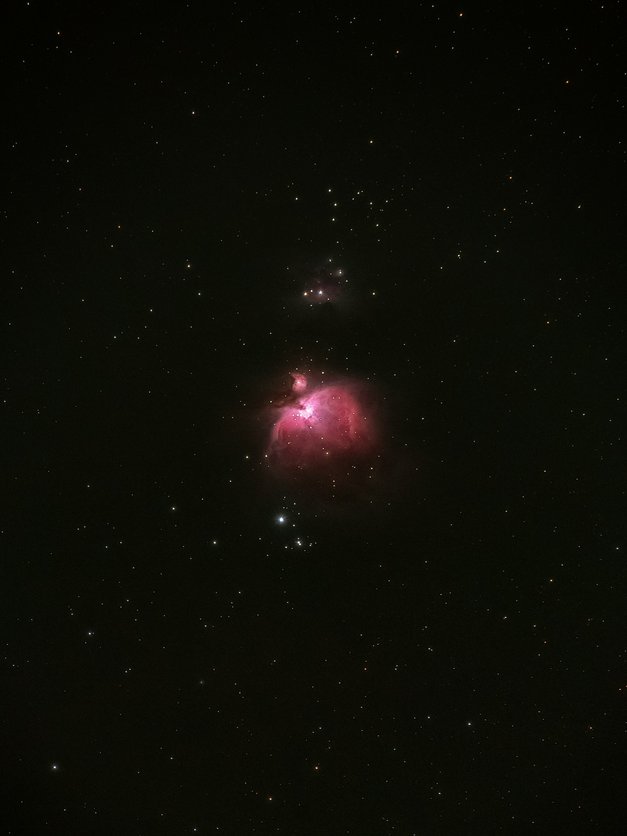
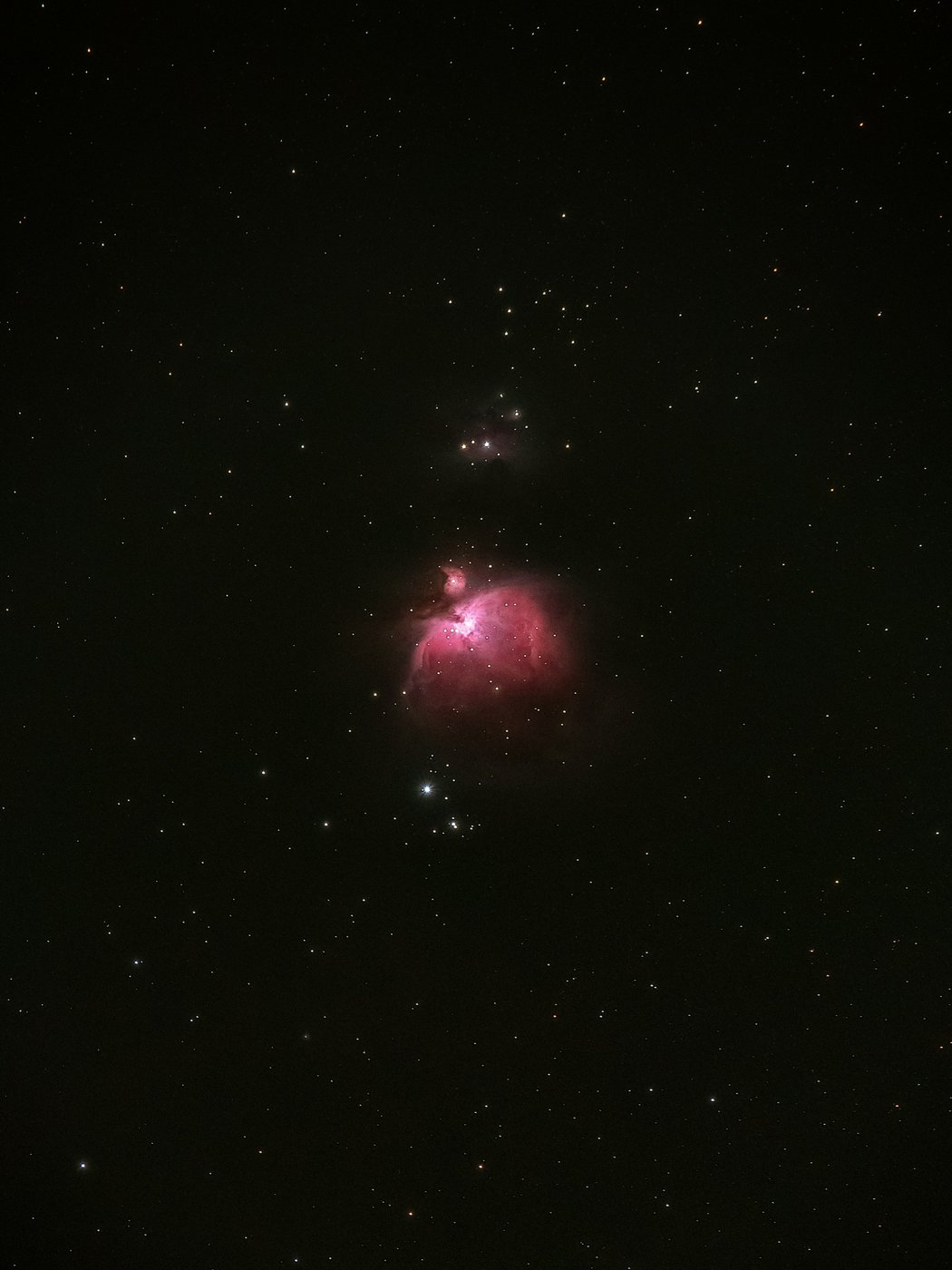
Same eyepiece, same night — aperture turns a faint smudge into resolved structure.
One transparent number from 0–100, broken down into the things that decide how a telescope actually performs — not a single opaque star rating, and never pay-to-play.
— Scored independently · funded by readers, never brands
The gold ring and the red ring are the same eyepiece. The real question is which of the four focal lengths is worth buying.
Read the guide →More than nothing and less than you hope. It is a fine Moon and cluster instrument, it is not a planetary one, and the reason is focal length rather than aperture.
Read the guide →Less than the price gap suggests, and it depends almost entirely on your telescope. A slow scope hides the difference. A fast one exposes it.
Read the guide →